
Your'e healthy Bone matters...

Dr. Arjun Malhotra
Haematologist
Join me on my journey to better bone care and healthier living
Dr. Arjun Kanna –Haematologist
Dr. Arjun Malhotra, a leading haematologist, specializes in advanced bone marrow transplant procedures with over 15 years of expertise. His compassionate approach and precision in treatment have helped numerous patients regain their health and quality of life. Dr. Malhotra focuses on providing personalized care, ensuring every patient receives the best possible outcomes with minimal complications. His dedication and clinical skills make him one of the most trusted names in bone marrow care.
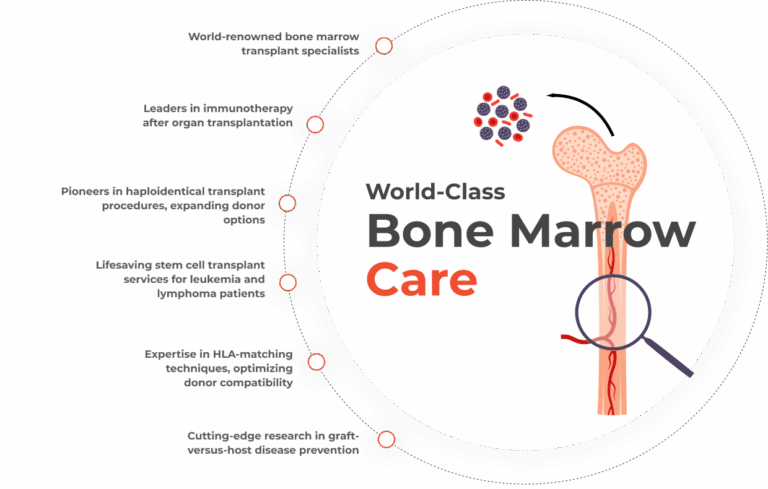
Our hospital pioneered bone marrow transplant services over a decade ago, introducing state-of-the-art facilities and innovative treatment methods. With continuous advancements and success stories, the Bone Marrow Care Centre has grown into a recognized hub for haematology excellence, offering hope and healing to patients nationwide.
The first step in bone marrow care involves a thorough medical evaluation to determine the nature and extent of the patient’s condition. This typically includes complete blood counts, bone marrow biopsy, genetic testing, and imaging scans. Doctors assess whether the patient is a candidate for a bone marrow transplant based on their diagnosis, overall health, and response to previous treatments. The goal is to identify blood disorders such as leukemia, lymphoma, or aplastic anemia that may benefit from a transplant. This step is critical in planning personalized treatment, choosing the right transplant type, and identifying potential matching donors.
Before the transplant, patients undergo a conditioning regimen to prepare their body. This often involves high-dose chemotherapy, radiation therapy, or a combination of both, aimed at destroying diseased or damaged bone marrow cells and suppressing the immune system to reduce transplant rejection risk. During this period, doctors also ensure a compatible donor—either related, unrelated, or the patient’s own stem cells (autologous transplant)—is ready. The patient is closely monitored for side effects, and supportive care like antibiotics, blood transfusions, and nutritional support may be given. This preparation is crucial for creating the best environment for the new stem cells to thrive.
In the transplant phase, healthy stem cells are infused into the patient’s bloodstream through an IV, similar to a blood transfusion. These cells travel to the bone marrow and begin producing new, healthy blood cells. The recovery process can take weeks to months, during which the patient is monitored for complications such as infections, graft-versus-host disease (in allogeneic transplants), or organ issues. Hospital stays, isolation, and strict hygiene are often necessary. Gradually, as the new marrow functions properly, blood counts improve. Ongoing follow-up, medication, and lifestyle support help ensure a successful recovery and long-term health.